Wondering which State College Borough neighborhood fits your life best? That choice can feel surprisingly hard because each area offers a different mix of housing, walkability, campus access, and day-to-day convenience. If you are trying to narrow your options, this guide will help you compare the borough’s key neighborhood patterns so you can move forward with more clarity and confidence. Let’s dive in.
Start With Your Daily Routine
When you are choosing a State College Borough neighborhood, it helps to think less about labels and more about how you want your week to feel. Do you want to walk to campus or downtown often? Do you prefer a more residential setting with detached homes and quieter streets? Or do you want a close-in location where shops, parks, and local services are woven into daily life?
The borough’s planning materials show a clear pattern among four well-known neighborhoods: College Heights, Highlands, Greentree, and Holmes-Foster. In simple terms, Highlands and Holmes-Foster are the most campus and downtown oriented, College Heights is the strongest north-of-campus option with a more single-family feel, and Greentree offers the most suburban and owner-occupied profile of the group.
Compare The Four Neighborhoods
Here is a quick side-by-side look at the biggest differences buyers often care about.
| Neighborhood | Overall Feel | Housing Pattern | Owner Occupancy | Best For |
|---|---|---|---|---|
| College Heights | Close-in, established, tree-lined | Largely single-family, early-20th-century and mid-century homes | 70% | Buyers wanting historic character and campus access without the most urban feel |
| Highlands | Most urban, campus-town atmosphere | Broad mix of apartments, fraternity mansions, and single-family homes | 12% | Buyers wanting walkability, variety, and immediate access to campus and downtown |
| Greentree | Quieter, suburban-style | Single-family homes and open space | 93.3% | Buyers prioritizing owner-occupancy and a more conventional neighborhood feel |
| Holmes-Foster | Historic, walkable, close-in | Older homes, some converted homes, and rental presence near campus | 41.8% | Buyers wanting walkability, older homes, and strong everyday convenience |
College Heights: Historic And Close-In
Why buyers consider College Heights
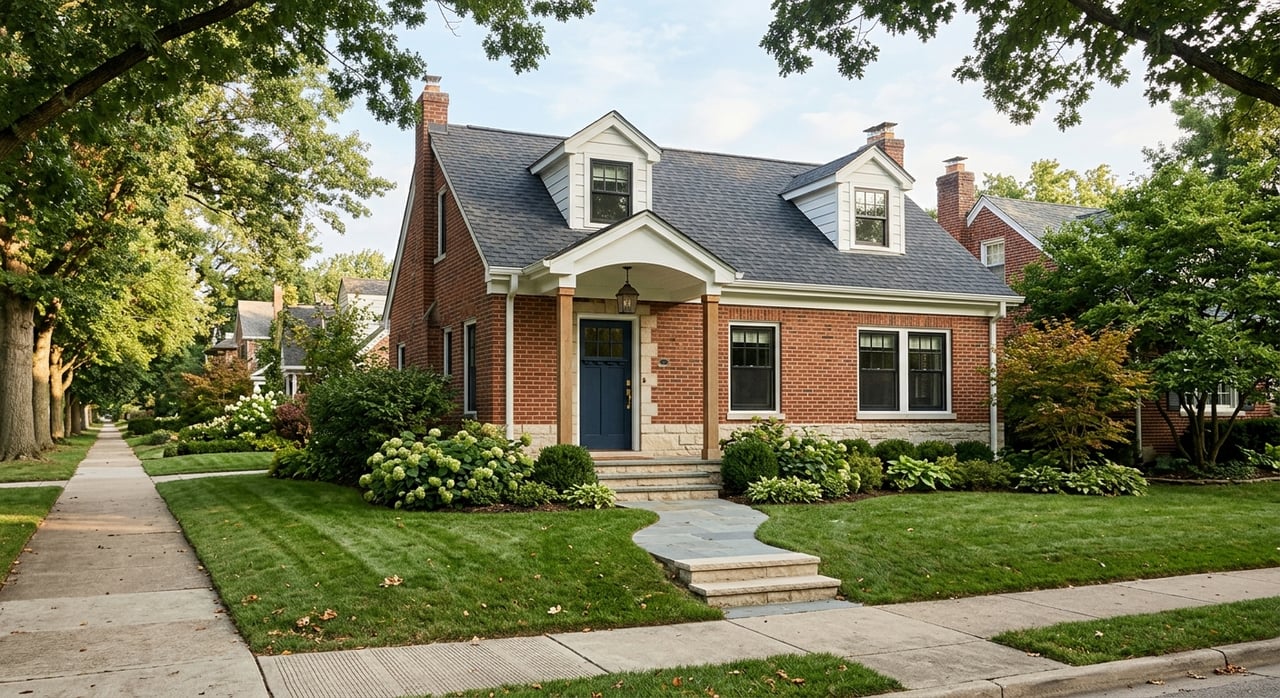
College Heights is the only State College Borough neighborhood north of Penn State campus. The borough describes it as an early-20th-century and mid-century modern neighborhood with mature trees, a strong garden feel, and a housing pattern that remains largely single-family in character.
For many buyers, that creates a sweet spot. You are close to campus, downtown, and everyday amenities, but the neighborhood does not carry the same mixed-use intensity as some of the borough’s more campus-adjacent areas.
What stands out in College Heights
The borough plan reports about 70% owner-occupied housing and 30% renter-occupied housing. It also notes that the neighborhood is essentially built out, with only limited new-lot potential. That can appeal to buyers who value a more established housing pattern.
College Heights is also framed by several recognizable amenities, including Penn State open space, the Arboretum, the Blue & White Golf Course, Radio Park Elementary, and Sunset Park. Sunset Park itself is a 20-acre municipal park with pavilions, restrooms, a basketball court, a youth baseball field, horseshoe pits, and play areas.
What to think about before choosing College Heights
If walkability is high on your list, College Heights performs well for a close-in setting. Still, the borough plan notes that Atherton Street and Park Avenue can divide parts of the neighborhood and create some pedestrian and traffic friction.
This area is often a strong fit if you want:
- Historic housing character
- Mature trees and an established setting
- A stronger owner-occupied pattern
- Close access to campus and downtown
- A less urban feel than Highlands
Highlands: The Strongest Campus-Town Feel
Why buyers choose Highlands
If you want to be in the middle of State College’s campus-town energy, Highlands often rises to the top. It is immediately south and east of Penn State campus and downtown, and the borough plan specifically describes it as walkable.
Residents cited ease of walking and biking, along with close proximity to downtown, campus, and civic and cultural amenities, as major strengths. For some buyers, that level of access can shape almost every part of daily life.
What stands out in Highlands
Highlands is the borough’s most populated neighborhood and has the greatest number of housing units. It also has the broadest housing mix of the four neighborhoods covered here, including large apartment structures, fraternity mansions, and modest single-family homes.
The plan reports 88% renter-occupied housing and 12% owner-occupied housing. That makes Highlands an important option for buyers who are comfortable with a more varied housing environment and a stronger renter presence.
What to think about before choosing Highlands
The same location advantages that make Highlands so appealing also bring tradeoffs. The borough plan notes that traffic and parking have long been concerns because of the neighborhood’s proximity to downtown, the university, and major vehicle routes.
Highlands may be the right fit if you want:
- A true campus-town environment
- High walkability and bike access
- Immediate access to downtown and Penn State
- A broad mix of housing types
- A more urban-feeling neighborhood inside the borough
Greentree: A More Suburban Borough Option
Why buyers look at Greentree
Greentree stands apart from the other three neighborhoods because it feels more suburban and less campus-centered. The borough describes it as a relatively new, quiet, suburban-style community where few homes are more than 50 years old and most were built by the mid-1980s.
For buyers who want a borough address but prefer a more conventional residential layout, Greentree can offer an appealing balance. It is not campus-adjacent in the same way as College Heights, Highlands, or Holmes-Foster, yet it remains connected by walking, biking, and CATA access.
What stands out in Greentree
Greentree is one of the borough’s few areas zoned completely for single-family residences and open space. It also has the highest owner-occupancy share of the four neighborhoods at 93.3%, along with one of the borough’s lowest student-home permit counts.
The neighborhood is within walking distance of several daily-use amenities and recreation areas, including Welch Pool, Orchard Park’s playground and recreation facilities, Holmes-Foster Park, and Westerly Parkway Plaza, which the borough plan says includes a grocery store, gym, and several restaurants.
What to think about before choosing Greentree
Greentree is often the strongest match if immediate campus walkability is not your top priority. Buyers who value a quieter setting, detached single-family homes, and easier west-side errands often find it easier to picture long-term daily life here.
Greentree may suit you if you want:
- A quieter, suburban-style feel
- Strong owner-occupancy
- Single-family housing and open space
- Convenient daily errands nearby
- Borough living with less campus intensity
Holmes-Foster: Walkable And Full Of Character
Why buyers consider Holmes-Foster
Holmes-Foster is an historic neighborhood south and east of campus and downtown. It is one of the borough’s most walkable and bikeable neighborhoods, and residents have pointed to easy access to downtown, Penn State, parks, groceries, pharmacies, sidewalks, and alleys as major strengths.
If you want a close-in location where everyday errands and activities can feel simpler, Holmes-Foster is worth a close look. It blends older housing stock with practical convenience in a way many buyers find compelling.
What stands out in Holmes-Foster
The housing ranges from modest Victorian homes to larger brick-and-stone homes built with local materials. The borough plan also notes converted single-family homes and student rental housing near campus in the West End north of College Avenue.
Occupancy in the plan was 41.8% owner-occupied and 58.2% renter-occupied, with mature tree canopy estimated at just over 40% for Holmes-Foster and the West End. Holmes-Foster Park is a major amenity along the neighborhood’s south edge, with pavilions, grills, picnic tables, restrooms, a children’s play area, a basketball court, and a horseshoe pit.
What to think about before choosing Holmes-Foster
Holmes-Foster tends to appeal to buyers who want an older, close-in neighborhood and do not mind some rental presence, especially nearer to campus. Its appeal comes from walkability, character, and convenience rather than a suburban feel.
Holmes-Foster may be right for you if you want:
- Strong walkability and bike access
- Older homes with character
- Mature trees and established streetscapes
- Easy access to parks and local services
- A close-in location with everyday convenience
Historic District Oversight Matters
One factor buyers sometimes overlook is historic-district review. The borough’s HARB oversees regulated exterior work in the College Heights and Holmes-Foster/Highlands historic districts. The borough also confirms that College Heights, Highlands, and Holmes-Foster contain homes listed in those National Register districts.
In practical terms, that means exterior changes such as additions, demolition, new construction, and reconstruction may involve review in certain properties or areas. If you are drawn to historic homes or considering future exterior updates, this is an important question to raise early during your home search.
How To Choose With Confidence
If you are still deciding, focus on four simple questions. These are the same priorities that most clearly separate the borough neighborhoods in official planning materials.
Ask yourself:
- How much do you want to walk or bike to campus, downtown, parks, or errands?
- How comfortable are you with renter turnover or stronger student presence nearby?
- Do you want detached single-family housing, or are you open to a broader housing mix?
- Would historic-district oversight affect your renovation or long-term plans?
The right answer is not about picking the “best” neighborhood in the abstract. It is about choosing the part of State College Borough that best fits your routines, housing style, and long-term goals.
A thoughtful neighborhood choice can make the rest of your move much easier. With the right guidance, you can narrow your options quickly and focus on the areas that truly match how you want to live.
If you want help comparing homes and neighborhoods in State College Borough, the Annette Yorks Group offers boutique guidance, local insight, and a calm, personalized approach to your next move.
FAQs
Which State College Borough neighborhood is best for campus walkability?
- Highlands and Holmes-Foster are the most campus and downtown oriented, with strong walkability and bike access noted in borough planning materials.
Which State College Borough neighborhood feels most suburban?
- Greentree is the most suburban-style option of the four, with single-family zoning, strong owner-occupancy, and less immediate campus orientation.
Which State College Borough neighborhood has the strongest single-family feel?
- College Heights and Greentree stand out most for buyers prioritizing detached single-family homes, though they offer different settings and levels of campus proximity.
Do historic district rules affect homes in State College Borough neighborhoods?
- Yes. The borough’s HARB oversees regulated exterior work in the College Heights and Holmes-Foster/Highlands historic districts, so buyers should ask how that may apply to a specific property.
Which State College Borough neighborhood has the highest owner-occupancy?
- Greentree has the highest owner-occupancy share among these four neighborhoods at 93.3%, according to the borough plan.
How should buyers choose between College Heights, Highlands, Greentree, and Holmes-Foster?
- Start with your priorities for walkability, housing type, comfort with renter presence, and whether historic-district oversight matters to your plans.